Entry rules / Japan–Korea trips
Japan and South Korea Entry Rules for 2027: What Changes and What to Do Now
Visa-free stays, Korea's K-ETA exemption ending December 31, 2026, Japan's new ¥3,000 departure tax and the JESTA plan: what to do before a 2027 trip.
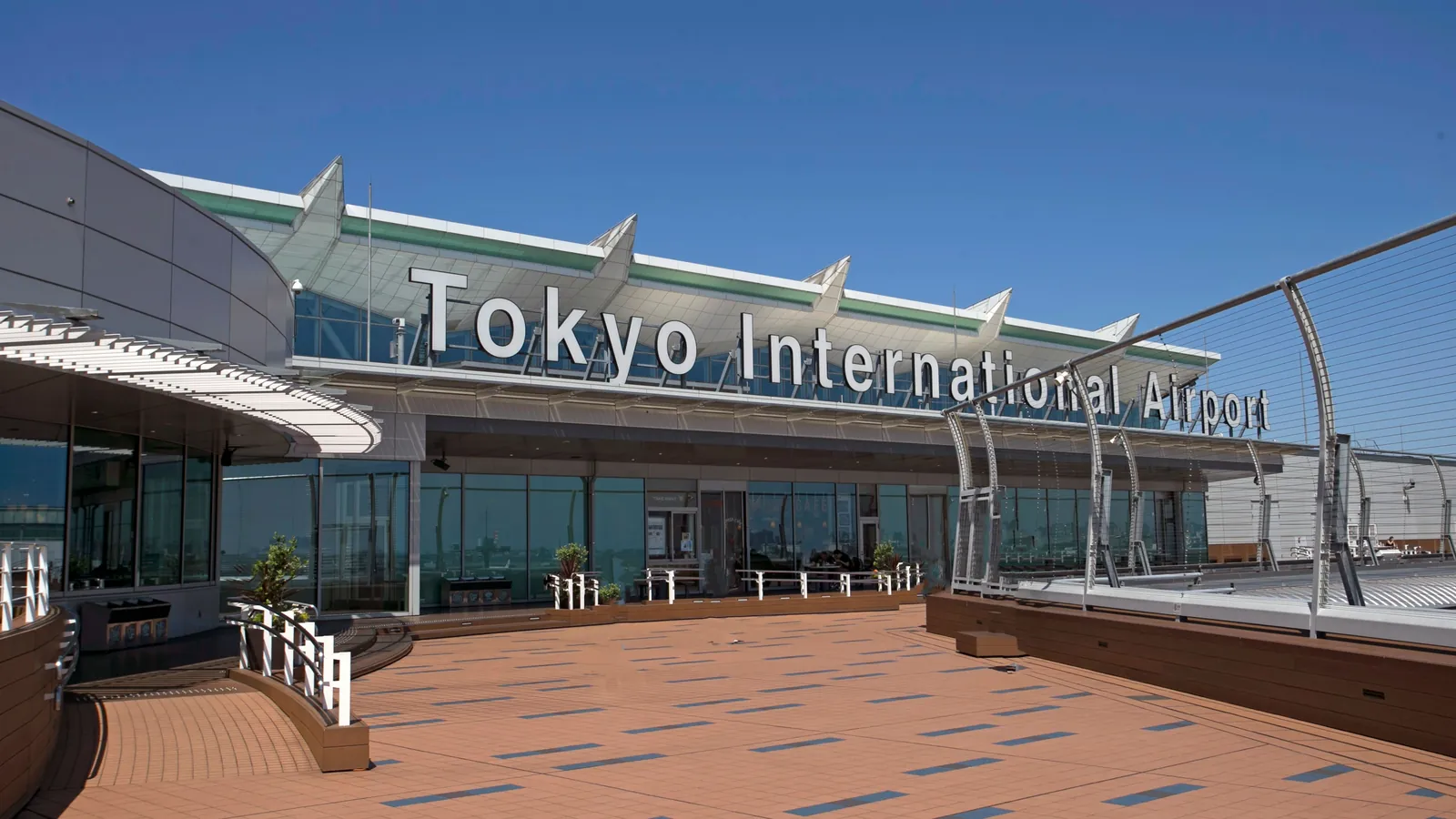
If you are a US, Canadian, UK, EU or Australian citizen, you can enter Japan without a visa for up to 90 days. Korea is where to look: the K-ETA entry rules for 2027 are unknown, because the exemption that lets you skip the K-ETA is official only until December 31, 2026.
Japan changed in 2026 in smaller ways. The departure tax went up, tax-free shopping became a refund system, and hotel taxes rose in Kyoto, with Tokyo next. Here is the summary, then the detail.
| Rule | Japan | South Korea |
|---|---|---|
| Visa for tourism | Not needed, up to 90 days | Not needed for US, Canadian and many other passports |
| Pre-trip registration | Visit Japan Web (online) | e-Arrival Card (online, free) |
| Electronic travel authorization | JESTA: law passed, no start date | K-ETA: exemption until Dec 31, 2026 |
| Departure tax | ¥3,000, usually in the ticket | Not covered here |
| Lodging tax | Kyoto since Mar 1, 2026; Tokyo changes Apr 1, 2027 | Not covered here |
| Medicine | Personal quantities; some items restricted | Personal quantities; controlled items need permission |
Japan: visa-free entry and how long you can stay
Citizens of the US, Canada, Australia, the UK and all EU countries are on Japan’s visa exemption list. You get up to 90 days for tourism on arrival, and no paid work. An extension is not automatic: ask Japanese immigration before your stay runs out. The Ministry of Foreign Affairs list is the page to use if your passport is not one of these.
On a trip of 7 to 21 days, the limit will never be your problem. Your real deadlines are your return flight and the online forms you fill in beforehand.
Visit Japan Web: do it before you fly
Visit Japan Web is the government’s online service for registering immigration and customs details, and tax-free shopping, before you arrive. The Digital Agency does not call it compulsory. We still recommend it: you create the record once, get QR codes, and skip most of the paper forms at the airport.
- Do it a few days before the flight, with your passport and flight number to hand.
- Save the QR codes as screenshots on your phone, in case the signal is slow in the arrivals hall.
- Use the official service only. Search results can show paid look-alike sites.
Japan’s new ¥3,000 departure tax
Since July 1, 2026, the international tourist tax is ¥3,000 per person, up from ¥1,000. It is charged to travelers leaving Japan. In most cases it is added to the price of the return ticket, so you normally have nothing to pay at the airport. A ticket bought before the change may still carry the older rate. The Japan National Tourism Organization published the change in May 2026.
Tax-free shopping changes from November 1, 2026
Since November 1, 2026, tax-free shopping in Japan works as a refund. You pay the full price with tax at the shop. The consumption tax is refunded after customs confirms the goods are leaving Japan. The refund comes from the shop or from the refund company it uses, so ask the shop how you will be paid.
The rules, from the Japan Tourism Agency:
- Purchases must reach ¥5,000 or more, tax excluded, per shop and per day.
- You must complete the customs step within 90 days of the purchase.
- At the airport you show your passport at a tax-free terminal. A green result means you are done. A red result means you take your goods to a customs inspection area.
- Inspection is per receipt. If one item from a receipt is missing, none of the goods on it qualify.
The terminals are in the international departure hall, before bag check-in. At seven airports (Narita, Haneda, Kansai, Chubu, Fukuoka, New Chitose and Naha), the Japan National Tourism Organization says Visit Japan Web can do the first step online. Do the airport tax-free step before you check your bags, with all the goods in hand. Arrive early on departure day, since the system is new.
Do not count on the refund in your budget until you have seen how it works at your airport. Our 10 days in Japan itinerary for first-timers shows where a typical trip spends its money.
Lodging taxes: Kyoto now, Tokyo from April 2027
Hotel taxes are the quiet cost increase. Kyoto raised its accommodation tax on March 1, 2026. It is charged per person, per night, and depends on the room price:
| Room price per person per night | Kyoto tax per person per night |
|---|---|
| Under ¥6,000 | ¥200 |
| ¥6,000 to ¥19,999 | ¥400 |
| ¥20,000 to ¥49,999 | ¥1,000 |
| ¥50,000 to ¥99,999 | ¥4,000 |
| ¥100,000 and over | ¥10,000 |
Source: Kyoto City Official Travel Guide, published February 26, 2026. For a mid-range room the change is small. For a luxury ryokan it is a real line on the bill.
Tokyo is next. Its system is scheduled to change on April 1, 2027, from fixed bands to a percentage of the room price (3%). Stays under ¥13,000 per person per night are exempt. Until then the current bands apply. If you sleep in Tokyo across that date, ask your hotel how it will charge you. Osaka’s prefectural tax has used its own bands since September 1, 2025. These taxes are normally paid at the hotel, often at check-out.
JESTA: Japan’s electronic travel authorization is coming, but not yet
JESTA is Japan’s planned electronic travel authorization for visitors who do not need a visa. Here is where it stands:
- A law creating it was passed by the Diet on May 29, 2026, and promulgated on June 5, 2026.
- No start date has been set.
- The government’s stated target is fiscal year 2028, which runs from April 2028 to March 2029.
- No fee has been set.
So for a 2027 trip: JESTA is not required, you cannot apply, and any site selling a «JESTA» now is not an official service. Follow the Immigration Services Agency pages for the start date once it is published.
Medicine in Japan: the rule that catches people out
Most travelers bring a small amount of regular medicine, and that is fine in personal quantities. Japanese guidance generally allows up to a two-month supply, and one month for prescription drugs. Read the Ministry of Health, Labour and Welfare guidance for your own medicine. Some common items are restricted: stimulants, products containing pseudoephedrine, and codeine are the usual surprises. Narcotics require permission in advance.
If your medicine or quantity needs it, you must apply for an import certificate, the Yunyu Kakunin-sho (formerly called Yakkan Shoumei), before you travel. The Embassy of Japan’s page, last updated in May 2026, says to apply at least two weeks before the travel date to the regional health bureau closest to your arrival airport. Bring your prescription and a doctor’s letter, and keep everything in the original packaging.
South Korea: the K-ETA exemption and 2027
This is the item most likely to change before your trip. South Korea’s Ministry of Justice extended the temporary K-ETA exemption by a year. It runs from January 1 to December 31, 2026 (Korea time) and covers all the countries already exempt, including the United States. The notice is on the Korean Embassy’s page, published December 29, 2025. Canada’s embassy page gives the same end date.
You can see your own status when you pick your nationality on the application form. An exempt nationality shows as «K-ETA Exempt». You can still apply for a K-ETA if you want one.
Whether the exemption continues past December 31, 2026 has not been announced. Nobody can tell you yet, so plan around the date you land in Korea:
- Landing on or before December 31, 2026: you are covered if your nationality shows as exempt.
- Landing on or after January 1, 2027: open the official K-ETA site (k-eta.go.kr), pick your nationality and see what it says. Do this before you pay for non-refundable flights.
- Any date: do not rely on a country list in a blog post, including this one. EU countries are not all treated alike.
If a K-ETA applies, use the official site or app only. The Korean Embassy in New York advises applying at least 24 hours before boarding. The fee can change, so read it on the official page.
Korea’s e-Arrival Card
Korea introduced the online e-Arrival Card on February 24, 2025, as an alternative to the paper form. The Korea Tourism Organization’s page lists it as required for most visitors, with K-ETA holders exempt. It is free. Submit it within the three days before you arrive (Korea time); it expires if you don’t enter within 72 hours.
Use the official site, e-arrivalcard.go.kr, and nothing that asks for a payment. Keep a screenshot of the confirmation.
How long can you stay in Korea?
The Korean Embassy in New York says US citizens may stay up to 90 days for tourism, with no extension. The Korean embassy in Canada says Canadians may stay up to 180 days. For UK, Australian and EU passports, the stamp or permission you get on arrival gives your limit. A trip of 7 to 21 days fits well inside any of them.
Medicine in Korea
For non-narcotic medicines, the Korean Embassy says you may bring up to six bottles or a three-month supply for personal use. Carry the prescription, a doctor’s letter and pharmacy-labelled packaging.
Controlled substances need advance permission from Korea’s Ministry of Food and Drug Safety. That covers opioids, amphetamines, benzodiazepines and anything with CBD or THC. The US Embassy in Korea adds that hemp, CBD and poppy seeds are banned without written authorization. If you are unsure about a medicine, ask before you pack.
A two-country trip: what changes the plan
If you are visiting both countries, the K-ETA question is the only one that can change your ticket plans. Ask yourself three questions:
- Which country do I enter first? That one decides which form comes first.
- Does my Korea arrival date fall in 2027? If so, the K-ETA question applies to you.
- Do I have time at the Japanese airport for the tax-free step on the way out?
Our guide on whether to start in Tokyo or Seoul helps you decide the order, and the Japan Rail Pass question matters once you know how long you have. More entry guides will go in the Entry rules section.
A simple checklist for a 2027 trip
- Make sure your passport is valid for your whole stay.
- Look up your nationality on the K-ETA site if you land in Korea in 2027.
- Register on Visit Japan Web a few days before you fly.
- Submit the Korea e-Arrival Card in the three days before you arrive, unless you hold a K-ETA.
- Apply for the Japanese import certificate at least two weeks ahead if your medicine needs it.
- Plan extra time at the Japanese airport on departure day.
- Add the lodging tax when you compare hotel prices in Kyoto and, from April 2027, Tokyo.
- Reread the official pages in the week you fly. Rules in both countries changed during 2026.
This guide will be updated when the K-ETA position for 2027 and the JESTA start date are announced.
Before you go
- Before you book
- Look up your passport on the K-ETA site if you land in Korea on or after January 1, 2027
- Two weeks ahead
- Apply for a Japanese import certificate (Yunyu Kakunin-sho) if your medicine needs one
- In the 3 days before you land
- Submit Korea's e-Arrival Card online (free), unless you hold a K-ETA
- A few days before you fly
- Register your trip on Visit Japan Web
- On departure from Japan
- Do the tax-free step before you check your bags; the ¥3,000 departure tax is normally in your ticket
- Checked in November 2026
- Rules change often: reread the official pages in the week before you fly
Checked November 2026
Questions people ask
Do I need a visa for Japan as a US, UK, Canadian, EU or Australian citizen?
No, not for tourism. Citizens of the US, Canada, the UK, Australia and all EU countries are allowed to stay up to 90 days when they arrive. You cannot work. An extension is not automatic and has to be requested from Japanese immigration before your stay runs out.
Do I need a K-ETA for South Korea in 2027?
The temporary exemption for the US and the other covered countries is official until December 31, 2026. Nothing has been announced for 2027 yet. Before you book a trip landing in 2027, open the official K-ETA site, choose your nationality and see whether it shows as exempt.
Is Visit Japan Web mandatory?
The government page describes it as a way to register immigration, customs and tax-free details in advance, and does not call it compulsory. It is still worth doing before you fly. Keep your QR codes on your phone.
What is Japan's departure tax and when do I pay it?
Since July 1, 2026 the international tourist tax is ¥3,000 per person, up from ¥1,000. You are normally charged when you buy the ticket, so there is nothing to pay at the airport. If you bought your ticket earlier, the older rate may apply.
When does JESTA start, and can I apply now?
You cannot apply yet. The law creating JESTA, Japan's electronic travel authorization, was passed in 2026, but no start date or fee has been set. The government's target is to have it running by Japanese fiscal year 2028, which ends in March 2029.
Can I bring prescription medicine to Japan and Korea?
Usually yes, in personal quantities with a prescription and a doctor's letter, in the original packaging. Some drugs, such as stimulants and certain cold medicines, are restricted in Japan, and controlled substances need advance permission in both countries. Check the rules before you pack.
Official sources
- Ministry of Foreign Affairs of Japan, visa exemption list
- Digital Agency, Visit Japan Web
- Japan National Tourism Organization, departure tax increase
- National Tax Agency, tax-free shopping leaflet
- Kyoto City Official Travel Guide, accommodation tax
- Tokyo Bureau of Taxation, accommodation tax review
- Immigration Services Agency of Japan, law revision pages (JESTA)
- Embassy of Japan in the US, bringing medications to Japan
- Korean Embassy in Guam, K-ETA exemption notice
- Korea Tourism Organization, e-Arrival Card
- Korean Embassy in Atlanta, bringing medicine to Korea
- US Embassy in Korea, controlled substances
- Korea Tourism Organization, arrival card (K-ETA holders exempt)
- Japan Tourism Agency, tax-free refund method
- Japan National Tourism Organization, new tax-free system
- Korean Embassy in New York, K-ETA and length of stay